
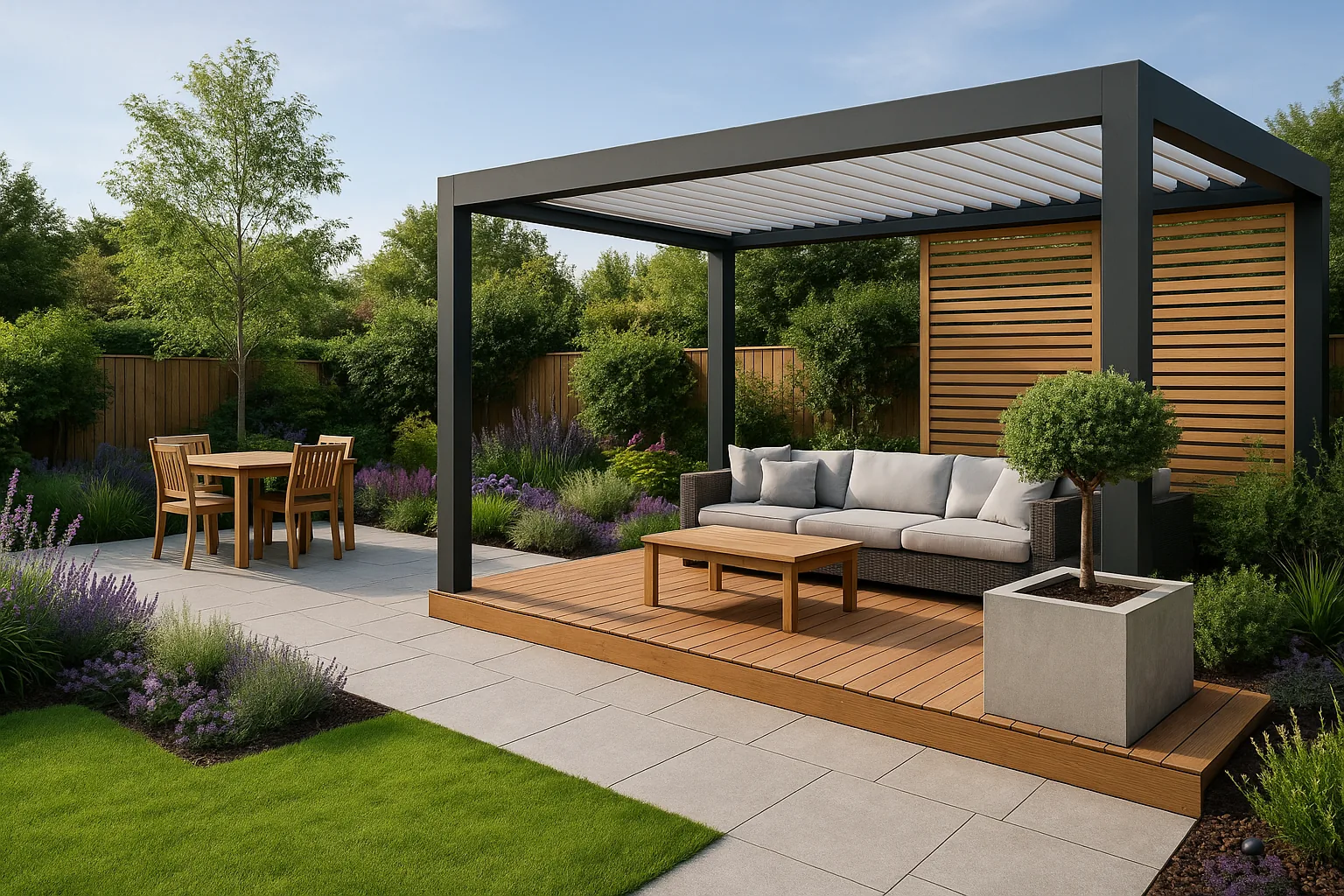
Keep your garden looking its best all year with this seasonal maintenance guide tailored to UK climate and conditions.
Spring (March-May)
- Clear winter debris from lawns and borders
- Apply spring lawn fertilizer
- Prune winter-damaged plants
- Power wash patios and decking
- Check fences for winter damage
- Plant summer bulbs and bedding
Summer (June-August)
- Regular lawn mowing (weekly)
- Water containers and new plants during dry spells
- Deadhead flowering plants
- Weed regularly to prevent seeding
- Trim hedges and topiary
- Clean outdoor furniture
Autumn (September-November)
- Scarify and aerate lawns
- Apply autumn lawn feed
- Clear fallen leaves from lawns
- Plant spring bulbs
- Cut back perennials
- Protect tender plants from frost
Winter (December-February)
- Avoid walking on frozen lawns
- Clear snow from paths and driveways
- Check tree stakes and ties
- Plan next year's garden improvements
- Clean and oil tools
- Prune deciduous trees (when dormant)
Too Busy for Garden Maintenance?
Transform to a low-maintenance garden with artificial turf and easy-care planting.
Get Instant Quote & DesignHard Landscaping Maintenance Through the Seasons
Patios, paths and driveways look after themselves for most of the year — but there are specific seasonal tasks that will significantly extend their life and keep them looking their best. In spring, a thorough pressure wash removes the winter's build-up of algae and moss — particularly important for natural stone patios which are most susceptible. Check the pointing (the jointing compound between slabs) for any cracks or gaps that have developed over winter and re-point where needed before weeds establish.
In autumn, clear fallen leaves promptly. Wet leaves left on paving create a slip hazard, but more importantly they stain natural stone and encourage algae growth. A leaf blower is the most efficient tool for this. Check that drainage channels and gullies are clear before the heavy autumn and winter rainfall arrives — a blocked drain can cause flooding and frost damage to adjacent paving.
In winter, use a plastic or rubber-edged snow shovel rather than metal on paving — metal tools can scratch or chip the surface. Never use rock salt on porcelain or natural stone patios — it damages the surface and can contaminate adjacent planting. Pet-safe, surface-safe de-icers are available and much better for your garden.
Artificial Grass Maintenance: Much Simpler Than You Think
One of the great advantages of artificial grass is how little it demands in return for how good it looks. The routine is simple: brush the fibres upright with a stiff bristle broom or a purpose-made artificial grass rake twice a year (spring and autumn) to keep the pile standing. Rinse the surface occasionally — particularly if you have dogs — to remove any residue. Remove leaves and debris promptly to prevent them from breaking down on the surface.
For pet owners, a pet-safe disinfectant diluted and applied by watering can every few weeks keeps the surface hygienic and odour-free. In very hot weather, a quick spray with a garden hose will cool the surface in minutes — the grass drains almost instantly due to the permeable backing.
What artificial grass doesn't need: mowing, feeding, scarifying, aerating, top-dressing or reseeding. The hours saved over a 15-year lifespan versus maintaining a natural lawn are substantial — by most calculations, over 200 hours.
Garden Lighting and Electrical Maintenance
Low-voltage garden lighting systems are reliable and low-maintenance when correctly installed, but there are a few annual checks worth making. In spring, inspect all surface-mounted fittings for any physical damage from winter gardening activities or frost. Check that all cable is still buried correctly and that no underground cable has been disturbed by gardening work. Wipe the lenses of any directional spotlights — dirt and algae build-up on lenses significantly reduces light output.
Replace any failed LED lamps promptly. Unlike old halogen systems where one failed lamp didn't affect the others, some low-voltage systems have a cascading effect where multiple fixtures appear dim when one has failed. Our team offers an annual service visit which includes lamp replacement, lens cleaning, transformer testing and minor cable repairs.
If your garden lighting system is more than 10 years old and has never been serviced, it's worth having it checked by a qualified electrician. Connector corrosion and insulation degradation are the main issues to watch for in older systems.
When to Call the Professionals
DIY garden maintenance is appropriate for most routine tasks — weeding, pruning, leaf clearing, hosing down surfaces. But there are specific situations where calling a professional is the right call, both for quality of result and personal safety.
Call a professional landscaper for: re-pointing patios (requires the right mortar mix and technique to avoid smearing or premature failure), pressure washing natural stone (too high a pressure damages the surface — professional equipment has variable pressure settings), significant tree or shrub pruning (particularly anything adjacent to structures or near power lines), and any work involving electrical garden lighting systems.
An annual maintenance visit from a professional team — typically £150–£350 for a standard Leicester garden — covers all of these bases, identifies any issues before they become expensive, and leaves the garden in optimum condition for the season ahead. Many of our customers book a spring maintenance visit as a standing annual appointment.
Preparing Your Garden for Winter
Leicester winters are milder than many parts of the UK, but we regularly see frost from November through March and occasional heavy snowfall. The right autumn preparation protects your landscaping investment and makes spring recovery easier. Key tasks: lift and store any terracotta pots that aren't frost-proof (terracotta that freezes when waterlogged will crack). Insulate the outdoor tap and any exposed pipes. Drain irrigation systems before the first hard frost. Cut back perennial planting to tidy the garden for winter, but leave some seed heads for birds.
For patios and hard landscaping, the biggest winter risk is water getting into any gaps or cracks in pointing and then freezing — expanding ice exacerbates small cracks into big problems. Address any pointing repairs in September or October, well before the first frosts, so the mortar has time to cure properly.
Composite decking and artificial grass require minimal winter preparation — they're both specifically designed for UK climate conditions. Just make sure drainage around and beneath decking is clear, and that no large debris accumulates on artificial grass that could compact over winter.
Frequently Asked Questions
How often should I clean my patio?
A thorough pressure wash once a year — ideally in spring — is sufficient for most porcelain patios. Natural stone patios benefit from cleaning twice a year (spring and autumn) and re-sealing every 2–3 years. Block paving should be re-pointed every 5–7 years and pressure washed annually to keep jointing sand from washing out.
How do I maintain artificial grass with dogs?
Rinse the surface with a garden hose weekly to remove any residue. Apply a pet-safe artificial grass disinfectant diluted in water every 2–3 weeks to keep the surface hygienic and odour-free. Brush the fibres upright with a stiff broom twice a year. Remove solid waste promptly as you would from a natural lawn.
When should I call a professional landscaper for maintenance?
Call a professional for: re-pointing patios, any significant tree or shrub pruning, re-laying sunken or cracked paving, garden lighting electrical work, and any drainage issues causing surface flooding. Annual professional maintenance visits — typically £150–£350 — cover all these checks and prevent small issues from becoming expensive repairs.